

Olive Oil and Weight Loss: What the Science Says (and Doesn't)
Olive Oil and Weight Loss: What the Science Says (and Doesn't)
In brief
Olive oil for weight loss does not work as a diet pill — but as a replacement for unhealthy fats in a Mediterranean diet, it demonstrably contributes to weight management.
Extra virgin olive oil increases satiety through oleic acid and polyphenols, stabilizing hunger signals.
Choose extra virgin with a polyphenol content above 250 mg/kg and a clear harvest year on the label.
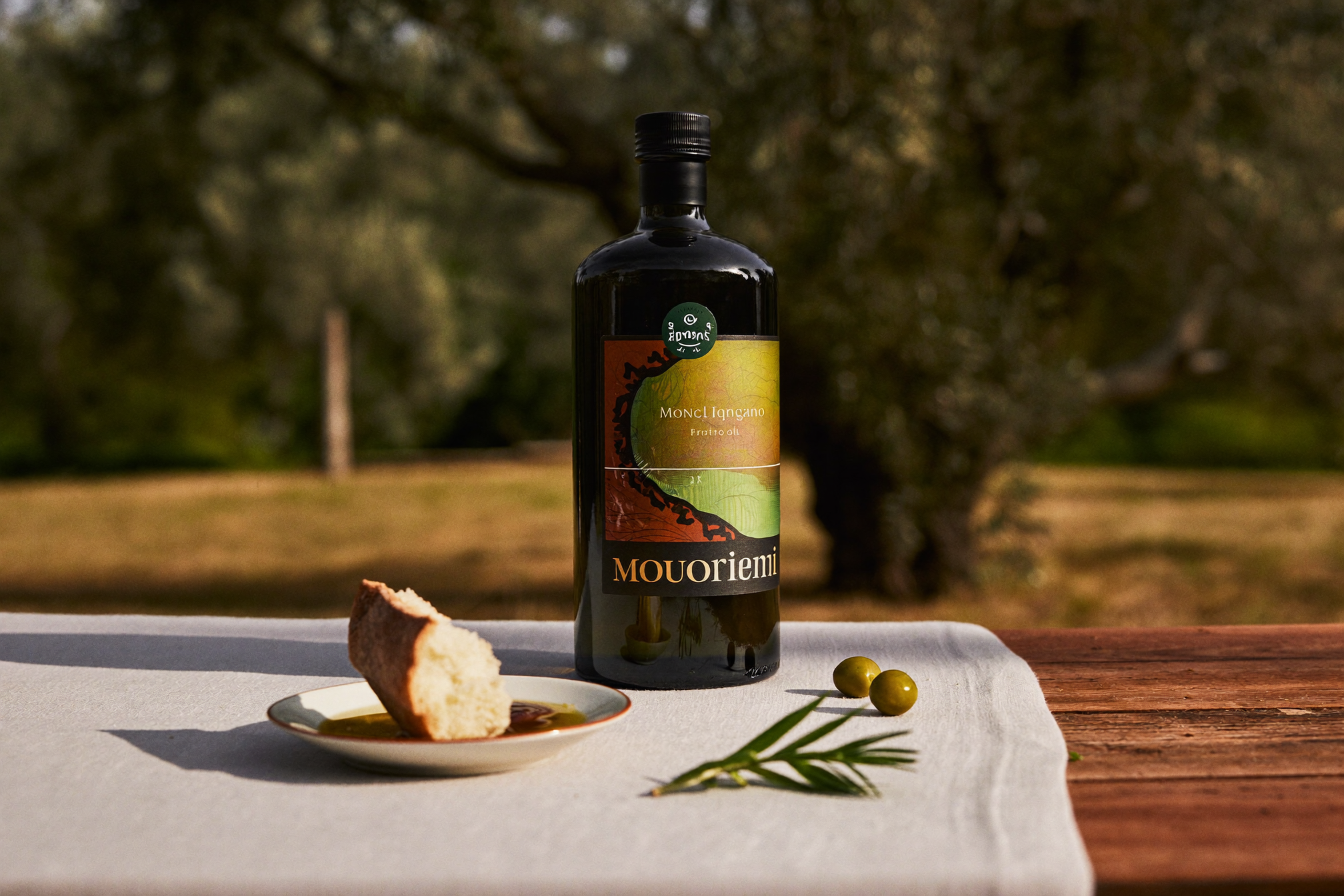
Olive oil does not directly help burn calories — but research into the Mediterranean diet shows that good fats increase satiety and improve food quality. Extra virgin olive oil plays a key role in this. Those who choose wisely — extra virgin, freshly harvested, high polyphenols — do not necessarily eat less, but certainly better. And that difference counts in the long run.
What does extra virgin olive oil do in your body?
Extra virgin olive oil (EVOO) consists of 70–80% oleic acid — a monounsaturated fatty acid. According to the International Olive Council (IOC), oleic acid contributes to a healthy lipid profile: it lowers LDL cholesterol without lowering HDL cholesterol. This distinguishes EVOO from saturated fats in butter or coconut oil.
But it's the polyphenols that make olive oil particularly interesting for weight loss. Oleocanthal, oleuropein, and hydroxytyrosol — active compounds only preserved in cold-pressed, unrefined oil — inhibit inflammatory processes in the body. Reduced chronic inflammation is associated with more stable insulin sensitivity, and this affects how your body processes hunger and satiety signals.
Refined olive oil — also called "pure" or "light" olive oil — has the same calories but lacks almost all polyphenols. Extra virgin retains them.
How many calories are in olive oil?
One tablespoon (15 ml) of extra virgin olive oil contains approximately 120 kcal — comparable to any other vegetable oil. Olive oil is therefore not a low-calorie product. The benefit is not in the number of calories, but in what those calories do to your body. Those who use olive oil instead of less healthy fats gain benefits without an additional calorie burden.
Mediterranean diet and weight: what science shows
The strongest evidence for olive oil and a healthy weight comes not from isolated research into the oil itself, but from studies on the Mediterranean eating pattern as a whole. Vegetables, legumes, fish, nuts, and whole grains — with extra virgin olive oil as the primary fat source.
According to the Netherlands Nutrition Centre, the Mediterranean eating pattern is one of the most thoroughly researched approaches for healthy long-term weight. The Spanish PREDIMED study (Prevención con Dieta Mediterránea), with over 7,000 participants, showed that increased olive oil intake significantly reduced the risk of weight gain — even without participants counting calories.
The Mediterranean diet replaces processed fats and refined carbohydrates with nutrients that the body processes more slowly. Olive oil acts as both a flavor enhancer and a healthy fat source — it makes food more satisfying, without you having to constantly monitor the calorie counter.
How does olive oil fit into a responsible weight loss plan?
Gradually replace butter, margarine, and seed oils with extra virgin olive oil. Use it raw as a dressing on salads, as a finish on roasted vegetables, or for light stir-frying over medium heat. Do not add it on top of your existing fat intake — use it as a replacement.
Olive oil and satiety: the role of oleocanthal
Oleocanthal — the polyphenol behind the characteristic "peppery" finish of fresh extra virgin olive oil — has an anti-inflammatory mechanism comparable to that of ibuprofen. It inhibits COX enzymes involved in inflammatory reactions. Lower chronic inflammation typically leads to a more stable insulin response.
Fat also slows gastric emptying: it takes longer for your stomach to empty, keeping you satiated for longer. Extra virgin olive oil enhances this effect through the combination of oleic acid and polyphenols. This is not a marketing claim, but a mechanism demonstrated in peer-reviewed research.
The practical consequence: those who use olive oil as their primary fat source in an olive oil diet-style eating pattern experience fewer energy dips between meals and less desire for snacks. This makes olive oil a practical tool for weight loss — not as a miracle oil, but as the foundation of a higher quality eating pattern. Olive oil's satiating effect is also the mechanism behind the lower energy intake consistently reported in Mediterranean diet studies.
How much olive oil per day if you want to lose weight?
The Mediterranean diet model suggests two to three tablespoons per day — approximately 30–45 ml. That's about 360–540 kcal of fats, but these replace other fats you were already eating. More than four tablespoons a day adds calories without proportionally more benefit.
Calories vs. quality: asking the right question
Many weight loss diets focus on reducing all fats. But the EFSA (European Food Safety Authority) emphasizes that healthy fats are essential for the absorption of fat-soluble vitamins A, D, E, and K and for stable hormone balance. The better question is not "how much fat?" but "which fat?".
Which olive oil do you choose for weight loss?
Go for extra virgin with low acidity (max. 0.3%), a polyphenol content above 250 mg/kg, and a clearly stated harvest year. Our high polyphenol olive oils are selected based on all these criteria and each batch is tested.
Our selection for weight-conscious olive oil lovers
Selected based on polyphenol content, acidity, and harvest freshness.

Guglielmi Monogram Fruttato
Puglia, Italy · Fruity-light · High polyphenols
Nobleza del Sur ECO-DAY BIO
Andalusia, Spain · Organic · Low acidity
Antioxidant Trio
Taste 3 high-polyphenol olive oils side by side
Selected with passion — the Olijfoliemarkt.nl team.
Frequently asked questions
Why does olive oil help with weight loss?
Not directly, but indirectly. Olive oil replaces less healthy fats, increases satiety through oleic acid and polyphenols, and is the core of the Mediterranean diet — one of the best-researched eating patterns for long-term weight management.
How do you use olive oil if you want to lose weight?
Replace butter, margarine, and seed oils with extra virgin olive oil. Use two to three tablespoons per day as a replacement for other fats, not as a supplement.
What are polyphenols and why are they important for weight loss?
Polyphenols are plant-based antioxidants in fresh extra virgin olive oil that inhibit inflammation, improve insulin sensitivity, and support weight management.
Which olive oil is best for a diet?
Extra virgin with a polyphenol content above 250 mg/kg, acidity below 0.3%, and a recent harvest year. View our extra virgin selection.
How many calories of olive oil can I have per day if I'm on a diet?
Two to three tablespoons (30–45 ml) per day as a replacement for other fats — not as an addition. Adding more without replacing something else only increases calorie intake.
Selected with passion — the Olijfoliemarkt.nl team